
Every day, households, markets, schools, and businesses generate waste.
A plastic bottle is discarded after a drink.
A food wrapper is thrown away after a snack. Banana peels, vegetable stalks, old newspapers, and broken containers are swept aside and forgotten.
For many people, waste becomes someone else’s problem the moment it leaves their hands.
But what if we did nothing?
What if communities continued generating waste without reducing, reusing, recycling, or composting it? What would happen to our environment, our health, and our future?
The answer begins to reveal itself wherever waste is poorly managed.
Drainage channels become blocked by plastic waste, preventing water from flowing freely during heavy rains. As flooding becomes more frequent, homes, businesses, and public infrastructure face increasing damage.
Waste dumped in open spaces often finds its way into water bodies, contaminating ecosystems and threatening aquatic life. Plastic materials can persist in the environment for hundreds of years, accumulating long after they have been discarded.
The consequences extend beyond the environment.
Poorly managed waste creates breeding grounds for flies, mosquitoes, and rodents, increasing the risk of disease transmission.
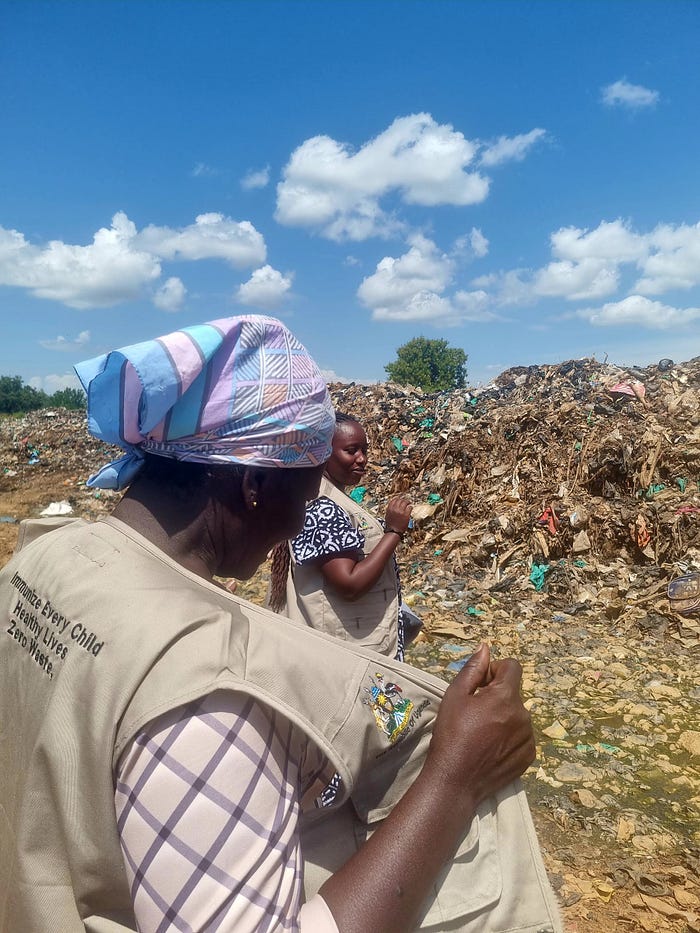
Open burning of waste releases harmful pollutants into the air, affecting respiratory health and exposing communities to unnecessary health risks.
Children playing near unmanaged waste sites may encounter broken glass, sharp metal objects, and other hazardous materials. The children may be injured by such objects.
Communities living near poorly managed waste disposal areas often face unpleasant odours, pollution, and a declining quality of life.
The economic costs are equally significant.
Resources that could be reused, recycled, or composted are lost.
At the same time, communities spend more money dealing with pollution and waste collection while missing opportunities to create jobs and generate income through recycling and waste recovery initiatives.
Yet waste itself is not the problem.
The problem is how we manage it.
A banana peel can become compost that improves soil fertility. Plastic bottles can be collected and recycled into new products, while paper, metal, and glass can be recovered and reintroduced into the production cycle.
What many people call waste often contains untapped value.
This is where zero-waste management becomes important.
Zero-waste management encourages communities to rethink how they handle materials by prioritising waste reduction, reuse, recycling, composting, and resource recovery. The goal is not simply to dispose of waste, but to prevent it from becoming waste in the first place.
Through community sensitization and environmental awareness initiatives, SAF-TESO continues to promote responsible waste management practices, encouraging communities to adopt sustainable approaches that protect both people and the environment.
The organization works closely with households, schools, local leaders, and development partners to strengthen waste management systems and support practical zero-waste initiatives at community level.
Achieving a cleaner and healthier future requires collective action. Households, schools, businesses, local leaders, development partners, and policy makers all have a role to play in supporting these efforts.
The question is not whether waste will continue to be generated; it will.
The real question is: what if we did nothing?
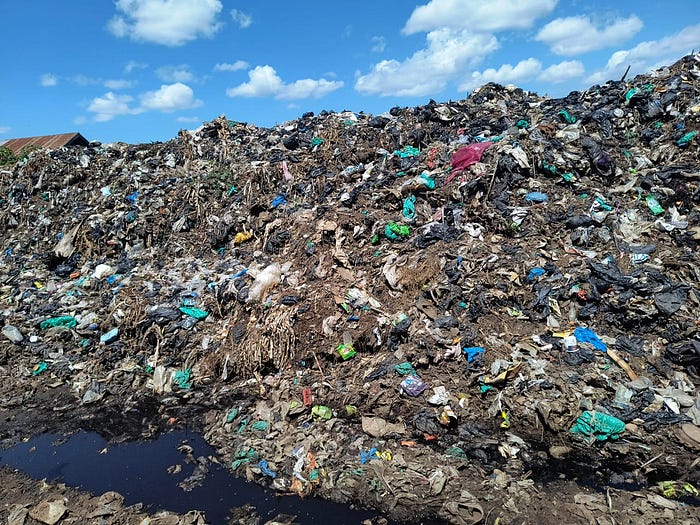
The answer is visible in polluted environments, blocked drainage channels, contaminated water sources, and growing waste piles.
Fortunately, we still have an opportunity to choose a different path.